Sleep Apnea: What You Need to Know
Guide to sleep apnea symptoms, diagnosis and home treatment with CPAP and BiPAP therapy for South Florida patients.
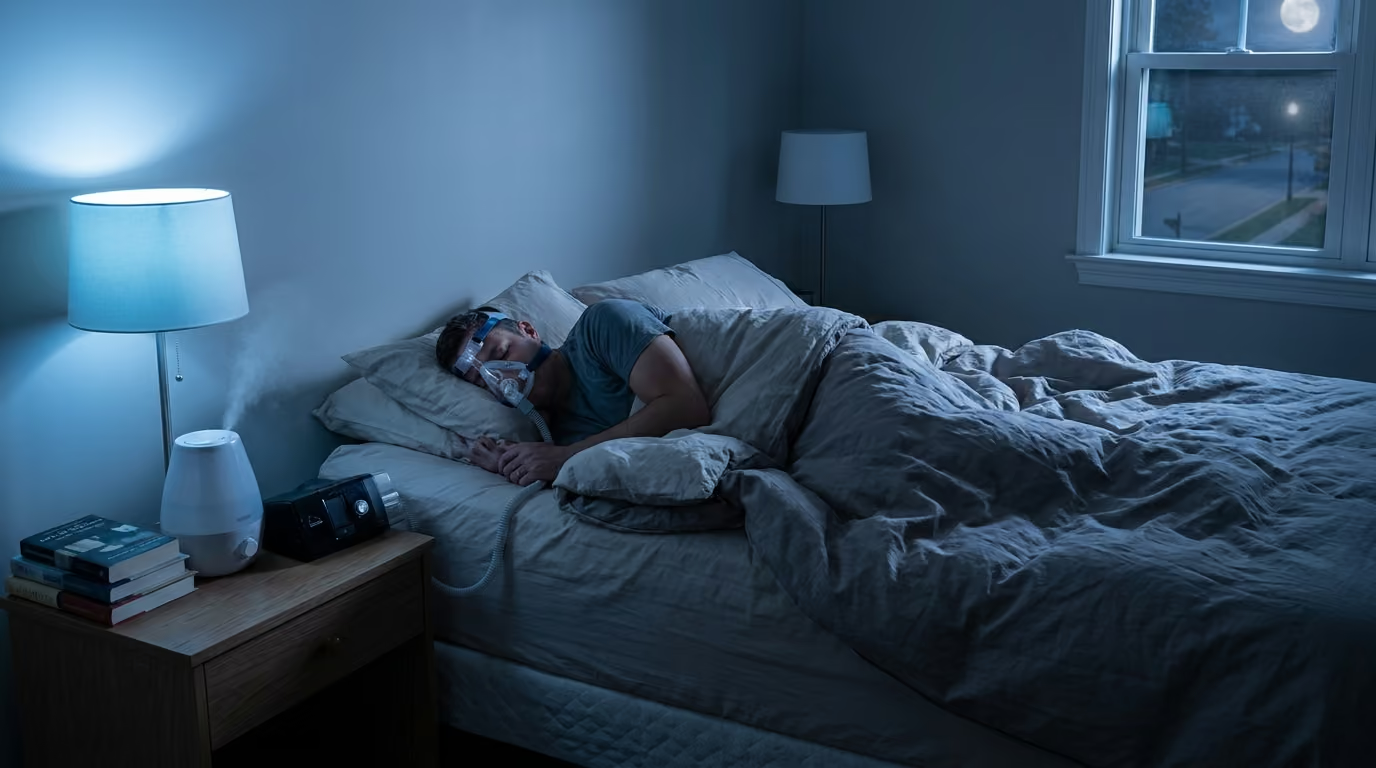

Sleep apnea is a common but serious sleep disorder that interrupts breathing repeatedly during sleep, often without the person realizing it's happening. Left untreated, it raises the risk of serious health problems — but with proper diagnosis and treatment, most people see dramatic improvement. Here's what South Florida patients need to know in 2026.
What Is Sleep Apnea?
Sleep apnea occurs when the muscles in the back of the throat relax and block the airway during sleep (obstructive sleep apnea), or when the brain fails to signal breathing muscles properly (central sleep apnea). Obstructive sleep apnea (OSA) is by far the most common form.
Symptoms to Watch For
- Loud, frequent snoring
- Daytime drowsiness and difficulty concentrating
- Waking up with a dry mouth, sore throat, or headache
- Irritability and mood changes
- Witnessed pauses in breathing during sleep (often noticed by a partner)
Health Risks of Untreated Sleep Apnea
Untreated sleep apnea is linked to high blood pressure, heart disease, stroke, type 2 diabetes, and increased accident risk from daytime sleepiness.
Diagnosis: Getting a Sleep Study
If you suspect sleep apnea, your doctor will typically refer you for a sleep study, either an in-lab polysomnography or a home sleep apnea test, to measure breathing patterns, oxygen levels, and sleep stages. AHCEQUIP partners with sleep clinics and pulmonologists across Broward, Miami-Dade, and Palm Beach counties to help coordinate testing and treatment.
Treatment Options in 2026
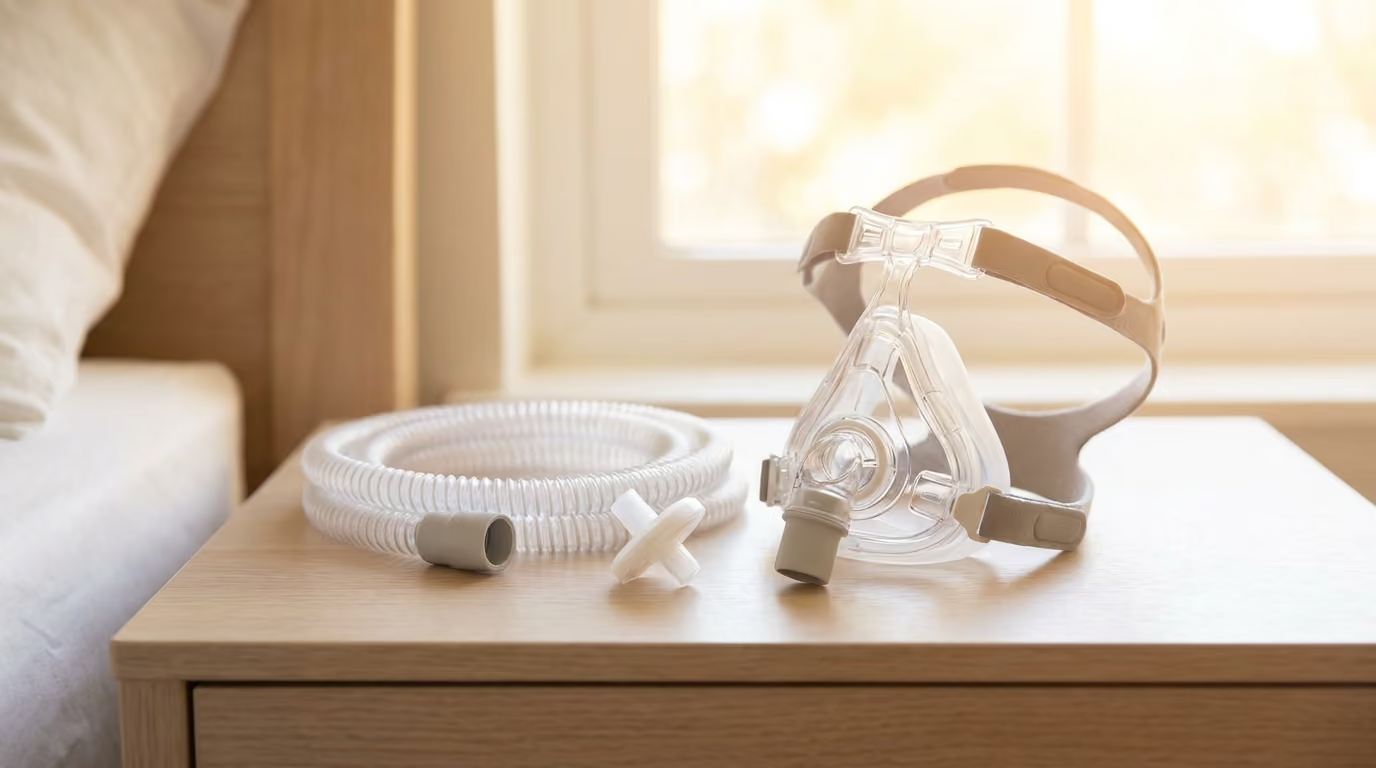
- CPAP therapy remains the gold-standard treatment, delivering continuous air pressure through a mask to keep the airway open. Modern auto-titrating CPAP machines automatically adjust pressure throughout the night based on your breathing patterns, improving comfort and effectiveness over fixed-pressure devices.
- Oral appliances reposition the jaw to keep the airway open and may suit patients with mild to moderate OSA or who can't tolerate CPAP.
- Hypoglossal nerve stimulation is a newer surgical option for select patients with moderate-to-severe OSA who haven't responded well to CPAP — a small implanted device stimulates the airway muscles during sleep.
- Weight management, including GLP-1 medications, has shown meaningful impact on OSA severity for patients with obesity-related sleep apnea, though it's typically used alongside — not instead of — CPAP therapy.
- Surgery may be considered for anatomical issues contributing to airway blockage when other treatments aren't sufficient.
CPAP Setup and Support in South Florida
Starting CPAP therapy involves more than just receiving a machine — proper mask fitting and setup make the difference between consistent use and early abandonment. AHCEQUIP provides in-home CPAP fitting and setup across South Florida, helping patients find the right mask type and pressure settings from day one. Learn more about our sleep health services, or see our guide on choosing the right CPAP mask.
Insurance Coverage for Sleep Apnea Treatment
Medicare Part B and Florida Medicaid both cover CPAP/BiPAP therapy following a qualifying sleep study — see our Medicare CPAP coverage guide for details on costs and the rental period. Most private insurers follow similar rules; check your specific plan on our insurance page.
Staying on Track With Therapy
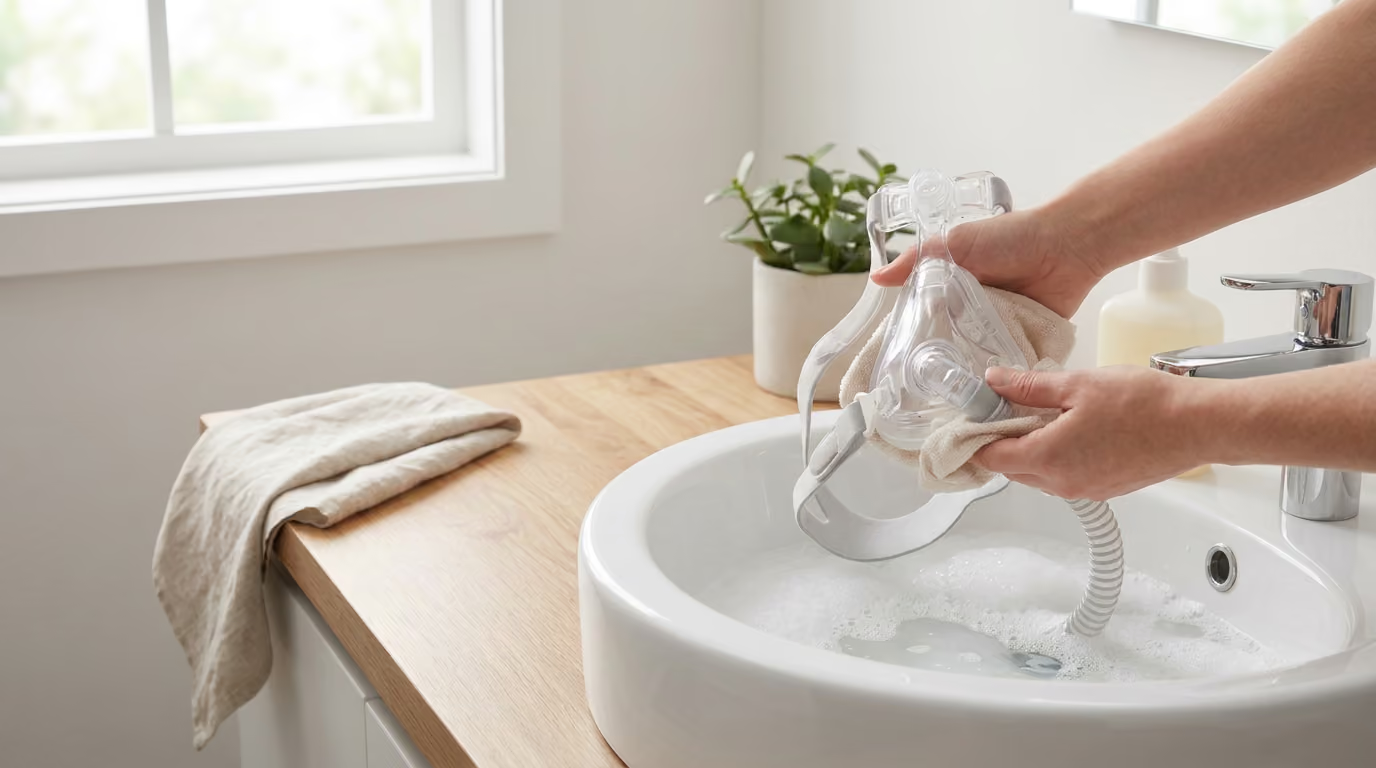
Once you're using CPAP, routine maintenance keeps therapy effective — see our CPAP cleaning checklist and resupply schedule guide for ongoing care.
Frequently Asked Questions
What's the difference between obstructive and central sleep apnea?
Obstructive sleep apnea involves a physical airway blockage, while central sleep apnea involves the brain failing to properly signal breathing muscles. OSA is far more common.
Can sleep apnea be cured, or only managed?
For some patients, especially those with obesity-related OSA, significant weight loss can reduce or resolve symptoms. For most patients, sleep apnea is a manageable chronic condition requiring ongoing treatment like CPAP.
What is an auto-titrating CPAP machine?
It's a CPAP device that automatically adjusts air pressure throughout the night based on your real-time breathing patterns, rather than delivering one fixed pressure all night.
Does Medicare cover a sleep study?
Yes, Medicare Part B covers diagnostic sleep studies when ordered by a physician to evaluate suspected sleep apnea.
Think you may have sleep apnea, or need help getting set up with CPAP? Call AHCEQUIP at (954) 772-5052.