CPAP Cleaning: Weekly & Monthly Checklist
How to clean your CPAP machine, mask, tubing and humidifier — a weekly and monthly routine to keep your therapy safe and effective.

A clean CPAP setup isn't just about hygiene — it directly affects how well your therapy works. Buildup in the mask, tubing, or humidifier chamber can reduce airflow and introduce bacteria you're breathing in all night. Here's a simple weekly and monthly routine.
Daily
- Empty and air-dry the water chamber if you don't refill it fresh each night.
- Wipe down the mask cushion with a damp cloth if visibly soiled.
Weekly
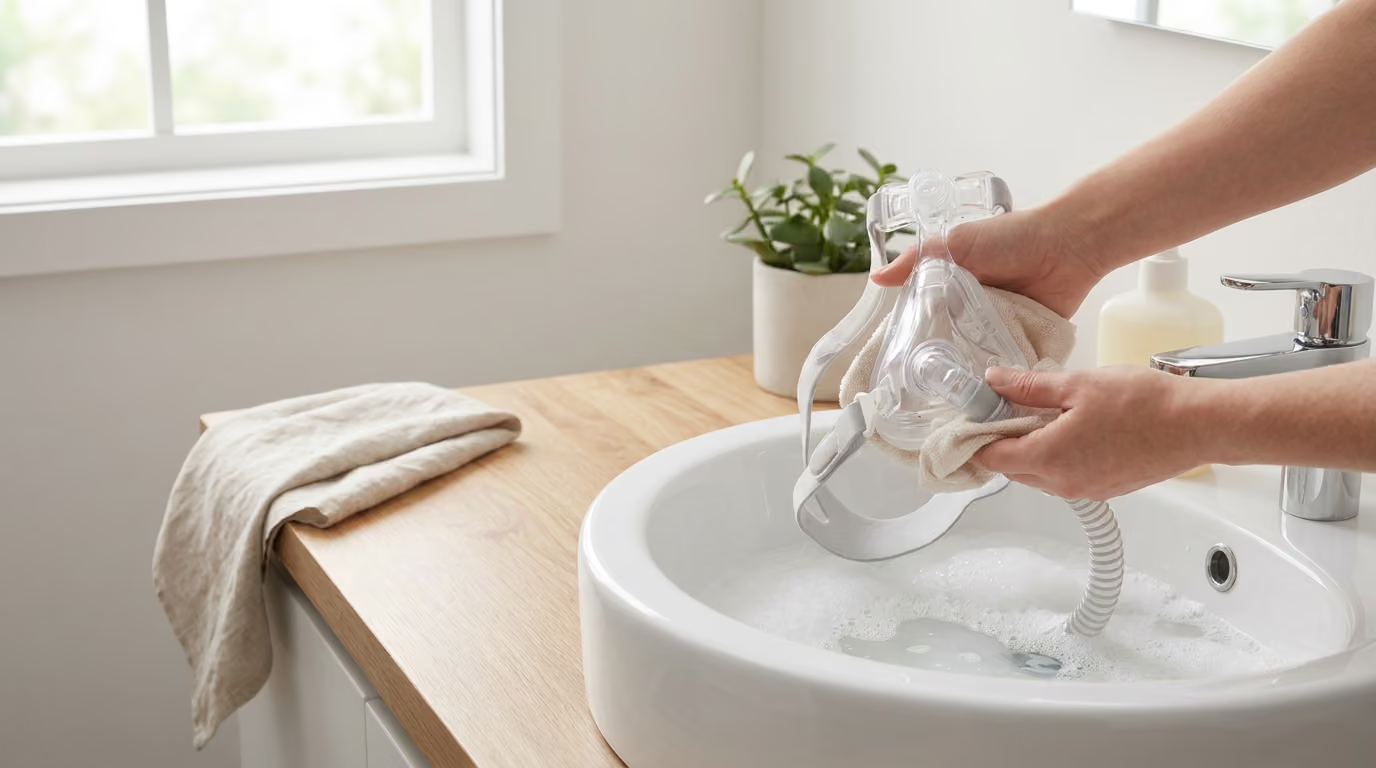
- Mask: Wash the cushion and frame in warm water with mild soap (avoid harsh detergents or alcohol-based cleaners), rinse thoroughly, and air-dry.
- Tubing: Wash with warm soapy water, rinse, and hang to air-dry completely before reconnecting.
- Headgear: Hand-wash and air-dry; avoid the washing machine unless the manufacturer specifically allows it.
Monthly
- Water chamber: Deep clean with a vinegar-water soak (check your manufacturer's guidance) to remove mineral buildup, then rinse thoroughly.
- Filters: Replace disposable filters; rinse and inspect non-disposable (foam) filters for damage.
- Machine exterior: Wipe down with a damp cloth, keeping moisture away from the air intake and electrical components.
What Not to Do
Avoid ozone cleaners and UV sanitizing devices not approved by your CPAP manufacturer — the FDA has warned these can be ineffective or even damage equipment. Stick to manufacturer-recommended soap and water cleaning.
When to Replace, Not Just Clean
Cleaning extends the life of your supplies, but parts still wear out on a schedule. See our CPAP resupply schedule guide for when insurance covers new masks, tubing, and filters.
Frequently Asked Questions
Can I put my CPAP mask in the dishwasher?
No — hand-washing with mild soap and warm water is recommended to avoid damaging the silicone seal and frame.
How often should I replace the water in my humidifier chamber?
Use fresh distilled water nightly, and empty any unused water each morning rather than letting it sit.
Are CPAP cleaning machines (ozone/UV) safe to use?
The FDA advises against unapproved ozone and UV cleaning devices. Manufacturer-recommended soap-and-water cleaning remains the safest method.
How do I know if my tubing needs replacing instead of just cleaning?
Look for cracks, stiffness, or persistent odor after cleaning — these indicate it's time to replace rather than continue cleaning.
For official guidance on CPAP cleaning devices, see the FDA's consumer safety resources. Questions about your CPAP setup? Contact AHCEQUIP — we're here to help.