Preventing Falls at Home: Mobility Aids for Seniors
Prevent falls with the right mobility aid — canes, walkers, rollators and grab bars. Home safety guide for seniors and caregivers.

Falls are the leading cause of injury for older adults, but many are preventable with the right mobility aid and a few home safety changes. Here's how to reduce fall risk for seniors living at home.
Choosing the Right Mobility Aid
- Cane: Best for mild balance issues or one-sided weakness; provides minimal support.
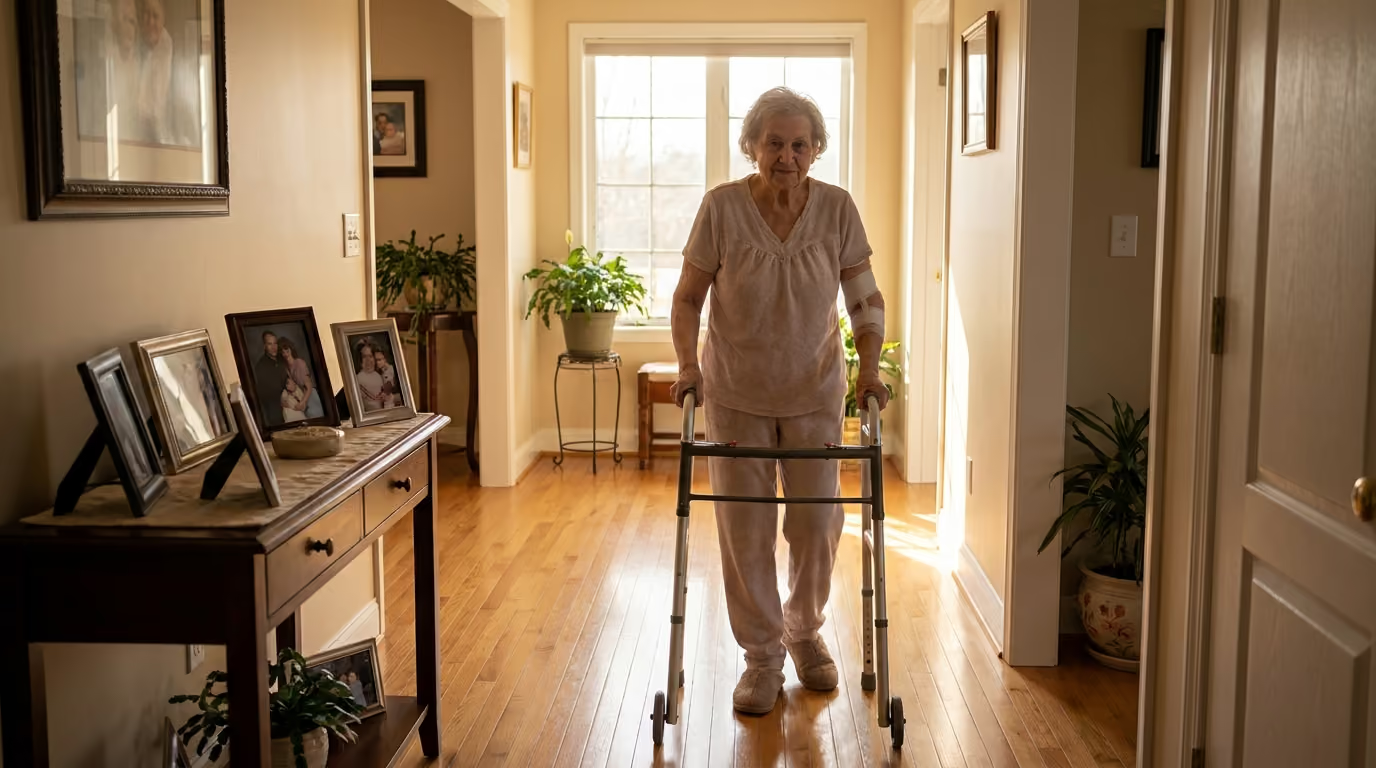
- Walker: Offers the most stability for those with significant balance concerns or recovering from injury.
- Rollator: A wheeled walker with a seat, good for those who need support over longer distances but have decent balance.
- Wheelchair: Appropriate when standing or walking poses a high fall risk or isn't possible for extended periods.
A physical therapist or physician can help determine the right fit — see our comparison of options after surgery in walkers, rollators, or wheelchairs.
Home Safety Changes That Reduce Falls
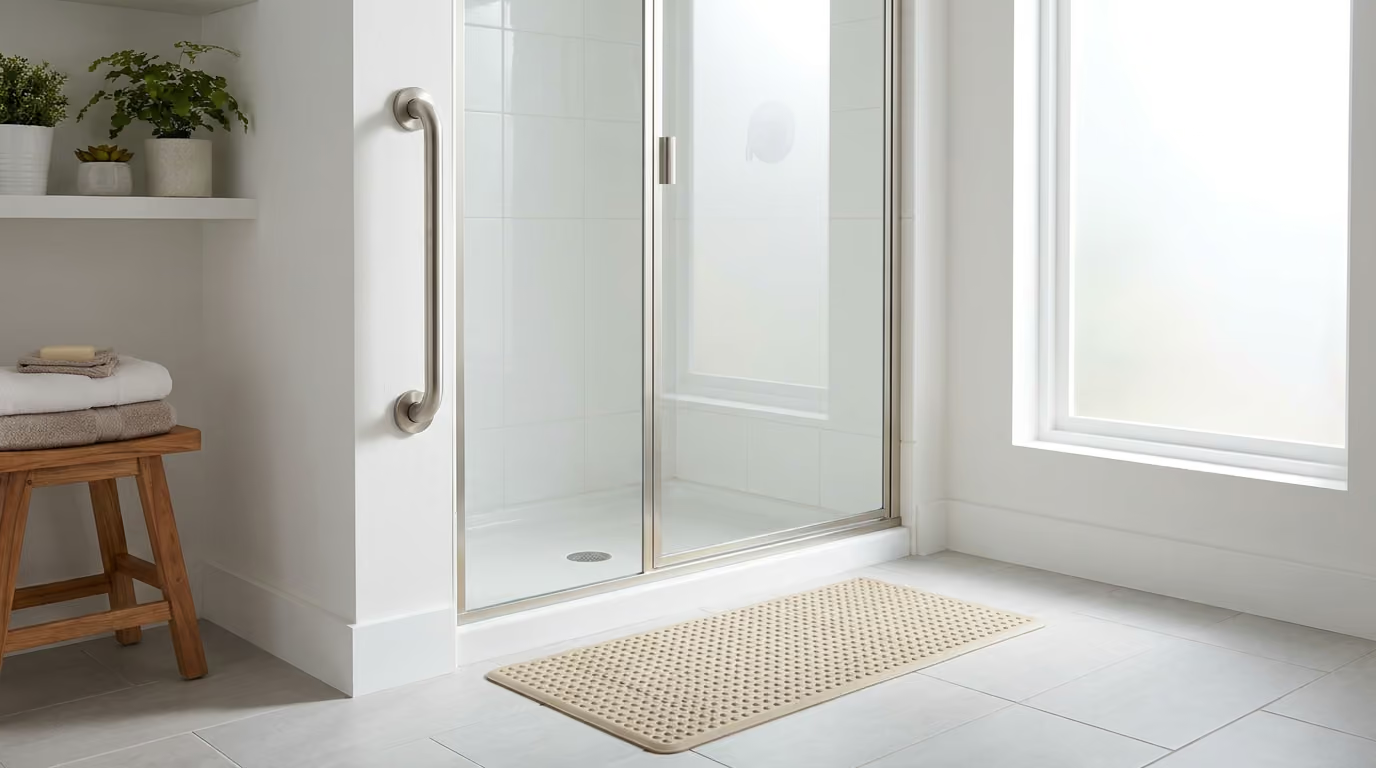
- Install grab bars in bathrooms near the toilet and shower.
- Remove loose rugs and secure or tape down cords.
- Improve lighting in hallways and stairwells, including night lights.
- Add non-slip mats in the bathroom and kitchen.
- Keep frequently used items within easy reach to avoid climbing or overreaching.
Does Insurance Cover Mobility Aids?
Medicare, Florida Medicaid, and most private insurers cover canes, walkers, rollators, and wheelchairs when prescribed by a physician. See our DME insurance coverage guide or check your plan on our insurance page. Browse our full range of mobility equipment.
Maintaining Your Equipment
A mobility aid only helps if it's in good condition — worn wheelchair tires or a wobbly walker can themselves become a fall risk. See our wheelchair maintenance guide for upkeep tips.
Frequently Asked Questions
What's the biggest fall risk factor for seniors at home?
According to the CDC, the most common factors are poor balance, certain medications, vision problems, and home hazards like loose rugs or poor lighting.
Does Medicare cover a walker without a prescription?
No — Medicare requires a physician's order documenting medical necessity before covering a walker or other mobility aid.
How do I know if my parent needs a walker or a rollator?
If they have significant balance concerns, a standard walker offers more stability. If they have decent balance but need support over distance, a rollator may be more practical. A physical therapist evaluation is the most reliable way to decide.
Are grab bars covered by insurance?
Grab bars are typically considered home modifications rather than DME and are usually not covered by Medicare, though some Medicaid waiver programs may help.
For more fall prevention guidance, see the CDC's fall prevention resources. Ready to find the right mobility aid? Contact AHCEQUIP today.