
Setting Up Home Oxygen: A Caregiver's Guide
Step-by-step guide for caregivers setting up home oxygen — safety rules, concentrator use, portable tanks and emergency tips.
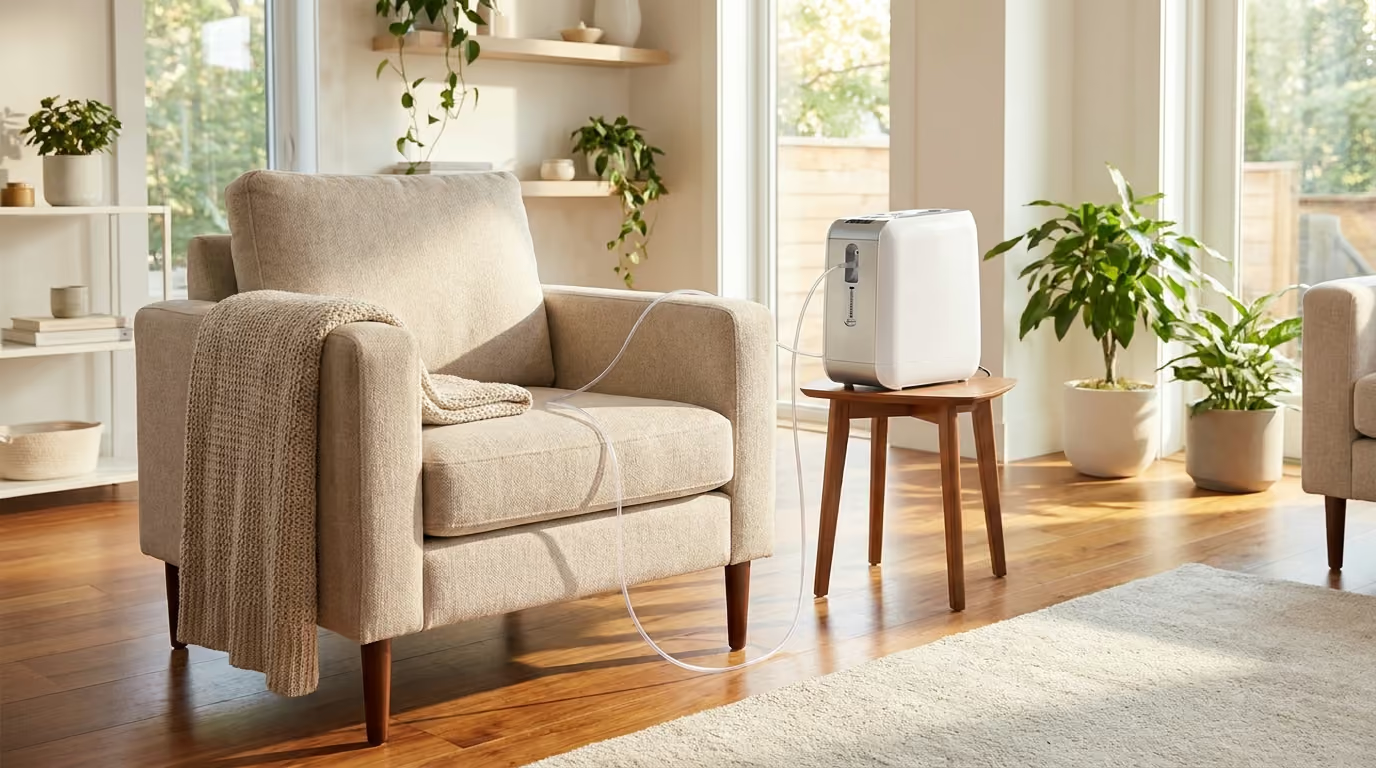

If your loved one has just been prescribed home oxygen therapy, the equipment and safety rules can feel like a lot to absorb at once. Here's a practical guide to setting up and managing home oxygen as a caregiver.
Types of Home Oxygen Equipment
- Oxygen concentrators: Plug-in devices that pull oxygen from room air, the most common option for stationary home use.
- Portable oxygen concentrators (POCs): Battery-powered units for mobility outside the home.
- Compressed oxygen tanks: Used as backup or for portability, requiring careful handling and storage.
- Liquid oxygen systems: Less common, used for patients with very high flow needs.
See our full range of respiratory care equipment.
Essential Safety Rules
- No open flames or smoking near oxygen equipment, since oxygen significantly increases fire risk.
- Keep equipment at least 6 to 10 feet from stoves, candles, and heaters.
- Store tanks upright and secured so they can't fall or roll.
- Avoid petroleum-based products near the nasal cannula; use water-based lubricants if needed.
- Post oxygen-in-use signage and inform household members and visitors.
Daily Caregiver Checklist
- Check the prescribed flow rate matches the device setting.
- Inspect tubing for kinks, cracks, or excessive length that could cause tripping.
- Clean the nasal cannula or mask per the supplier's instructions.
- Monitor backup tank levels in case of a power outage.
Does Insurance Cover Home Oxygen?
Medicare Part B, Florida Medicaid, and most private insurers cover home oxygen equipment when prescribed for a qualifying respiratory condition, typically documented by an oxygen saturation test. See our DME insurance coverage guide or check your plan on our insurance page.
Power Outage Planning
If your loved one depends on an oxygen concentrator, plan for power outages with a backup battery or compressed oxygen tanks, and register with your utility company's medical equipment priority restoration program where available. South Florida's hurricane season makes this especially important.
Frequently Asked Questions
How do I know what oxygen flow rate to use?
Always follow your physician's prescribed flow rate exactly; never adjust it without medical guidance, even if your loved one seems comfortable at a different setting.
What should I do during a power outage?
Switch to a backup battery or compressed oxygen tank immediately, and contact your DME supplier if the outage is expected to last more than a few hours.
Can portable oxygen concentrators be used on airplanes?
Many POCs are FAA-approved for air travel, but you should confirm with the airline in advance and carry documentation of the approval.
How often does oxygen equipment need maintenance?
Concentrators typically need filter checks and cleaning per the manufacturer's schedule; your DME supplier can service or replace equipment as needed.
For more on home oxygen safety, see the American Lung Association. Setting up home oxygen for a loved one? Contact AHCEQUIP for support.